Green benefits: a promise on hold 🌱
If you swim in the same LinkedIn feed as I do, you've probably seen them scroll by: articles about green benefits. Especially in2023it seemed as though every company was jumping on the bandwagon. KPN and Achmea made a big splash with schemes that have since been regularly cited as benchmark examples.
But by now, it's gone… quiet. In boardroom sessions and focus groups alike, we rarely hear that 'sustainability' is a top priority within benefits. Employees tend to see it as anice-to-have, as long as the fundamentals like financial security, leave and mobility are properly covered. And let's be honest: who would actually give up a few days of annual leave for a greener alternative?
That impression isn't just based on conversations, the numbers back it up too: onArbeidsvoorwaardenNieuws.nl, in2025not a single article has been published on green benefits, compared to6 in 2024and14 in 2023. So the hype appears to have faded not just in perception, but in actual coverage too.
On the employer side, the same hesitancy prevails. Green schemes are oftenexpensive, and far from always tax-friendly. Aclimate budget, for instance, is difficult to fit within the discretionary scope of the WKR. So yes, the intention is often there, but execution falls short.
So what exactly are green benefits?
Green benefits are schemes that encourage sustainable choices in the areas ofmobility, energy, consumptionandwork behaviour. They link social responsibility to personal benefit.
Two striking examples:
- Achmeawas the first major employer in 2023 to include aclimate budgetof €2,500 net in their collective labour agreement. A significant scheme, and at the same time one of the few with real impact.
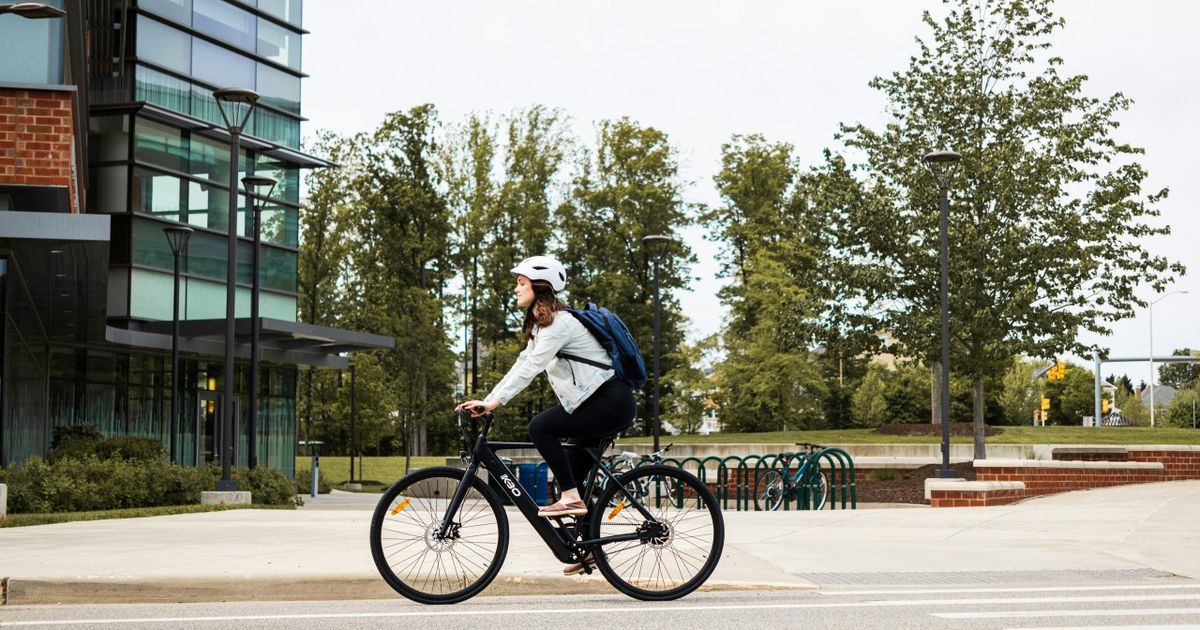
- KPNincreased thecycling mileage allowanceto €0.40 net per kilometre. Good for sustainability and vitality alike. KPN targets an average of 30 kilometres per employee per week, and it also helps reduce absenteeism.
Both examples show that if you take this seriously, you need to have something genuinelyworthwhile to offer. And that's what makes it a challenging topic for many employers.
In practice: a green veneer or structural policy?
What we often see in practice: existing schemes such as lease bikes or working from home are suddenly repositioned as 'green'. Smart for perception purposes, but substantively a little questionable. That said, I do understand it. By also placing mobility and vitality within sustainability communications, you give employeesvisibility into choicesthey already had, but which now appear in a different light.
At the same time, it's striking that some schemes barely get off the ground. Takesustainable holiday days, extra days off for employees who travel in an environmentally friendly way. Although this type of scheme fits beautifully within the concept of 'personal benefit for socially responsible behaviour', it's rarely seen in practice. Yet annual leave offers a prime opportunity to connect sustainability with experience, freedom and personal choice. A missed opportunity, if you ask me.
The generational divide: what does Gen Z think?
And yet, at the same time, we do see thatGeneration Zis genuinely receptive to this. Research shows that around70% of Gen Z factor sustainability into their choice of employer. And20% say they have even turned down or left a jobbecause the company showed insufficient climate ambition.
For them, green benefits are more than a nice-to-have. They serve as a signal: that an employer doesn't just say it wants to be sustainable, but actually follows through.
If you want to remain an attractive employer for young talent, it's therefore crucial that your policy not only adds up financially, but also resonates socially.
So: hype or here to stay?
That depends on how seriously we truly believe green benefits should be part of the overall benefits package. Are we, as employers and employees alike, willing to place slightly less weight on other priorities (temporarily) in order to make room for sustainable choices? Or do we still prefer to prioritise maximum financial security and sufficient leave entitlement?
In the current volatile economy, where political tensions and uncertainty are tangible, it appears that primarily sustainability frontrunners and organisations with ample flexibility in their benefits spend are the ones genuinely investing in green initiatives right now.
If we want this to become structural, we need toembedsustainability within HR policy, rather than settling for standalone initiatives or marketing-driven green veneers. Only when sustainable choices become an integral part of how we reward, move and work can we speak of a mature theme within benefits policy.
That requires vision. And courage. But above all: collaboration between HR, Finance and Sustainability. Because you can only spend money once, but you can absolutely double the impact.